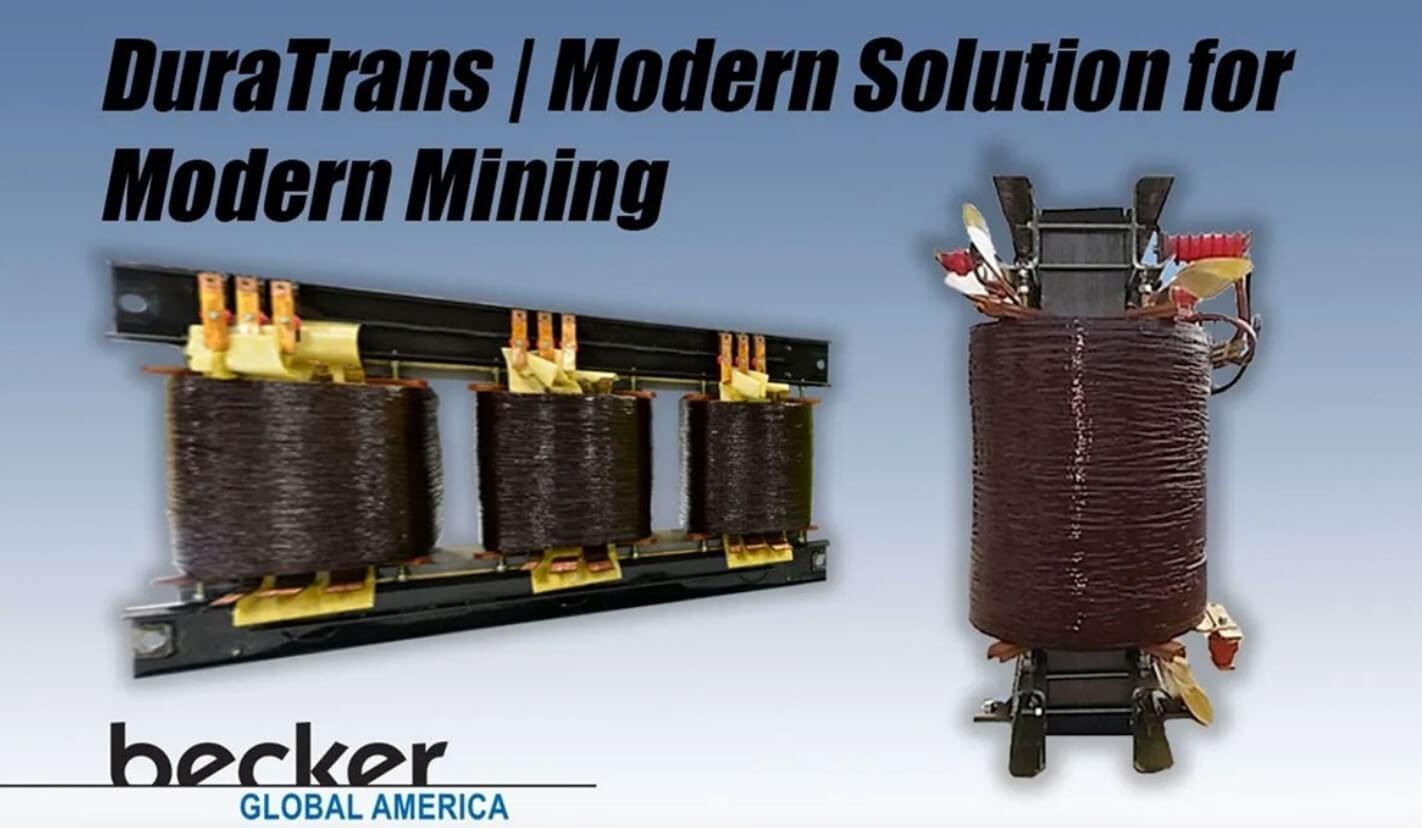
Mining environments place extreme demands on electrical infrastructure, and the performance of a dry-type transformer plays a critical role in keeping operations safe and continuous. Unlike oil-filled units, dry-type transformers rely on air cooling and solid insulation systems, making them a preferred choice in underground and surface mining where fire risk, ventilation constraints, and harsh conditions are major concerns.
In mining operations, the typical lifespan of a dry-type transformer generally ranges from 20 to 30 years. However, this range is not fixed. Real-world performance depends heavily on operating conditions, load cycles, maintenance practices, and environmental stressors such as dust, humidity, vibration, and temperature fluctuations.
One of the most influential factors affecting transformer lifespan is heat. Mining sites often run heavy-duty equipment for long hours, leading to sustained electrical loads. Excessive heat accelerates insulation aging, which gradually reduces the transformer’s efficiency and dielectric strength. Proper ventilation and thermal management systems are essential to prevent premature degradation.
Contamination is another key concern. Dust and conductive particles common in mining environments can settle on windings and insulation surfaces. Over time, this buildup can create partial discharge risks and reduce insulation integrity. Regular cleaning schedules and sealed enclosure designs significantly improve the durability of a dry-type transformer in these conditions.
Load management also plays a critical role. Transformers consistently operated near or above their rated capacity experience faster wear. Engineering teams at mining sites often implement load balancing strategies to ensure that electrical demand is distributed efficiently across systems, extending equipment life.
Maintenance practices are equally important. Routine infrared thermography inspections, insulation resistance testing, and visual checks help identify early signs of wear or overheating. Preventive maintenance not only extends lifespan but also reduces the likelihood of unexpected downtime, which can be costly in mining operations.
When properly installed, maintained, and operated within rated conditions, a dry-type transformer can deliver reliable performance for decades. However, neglecting environmental controls or overloading the system can significantly shorten its operational life.
In conclusion, the lifespan of a dry-type transformer in mining operations is a balance between engineering design and field discipline. With proper care, it remains one of the most reliable and safety-focused power distribution solutions in the mining industry, supporting continuous productivity and operational safety in some of the harshest working environments.
Choosing the right transformer solution today can help ensure safer, more efficient railway operations for decades to come.
This post was written by Justin Tidd, Director at https://beckersmcusa.com/. For nearly a half a century, Becker Mining has been at the forefront of dry type transformer Becker/SMC is the industry’s leader in increasingly more sophisticated electrical control systems. Most of the major innovations, design features and specialized electrical components have been developed by Becker/SMC.